The Problems
Unhealthy food environments make it harder for people to make healthy choices.
Global food environments are increasingly dominated by ultra-processed products that are replacing nutritious, traditional foods—harming both human and planetary health. This shift is driving rising rates of diet-related chronic diseases, burdening people, governments and health systems.

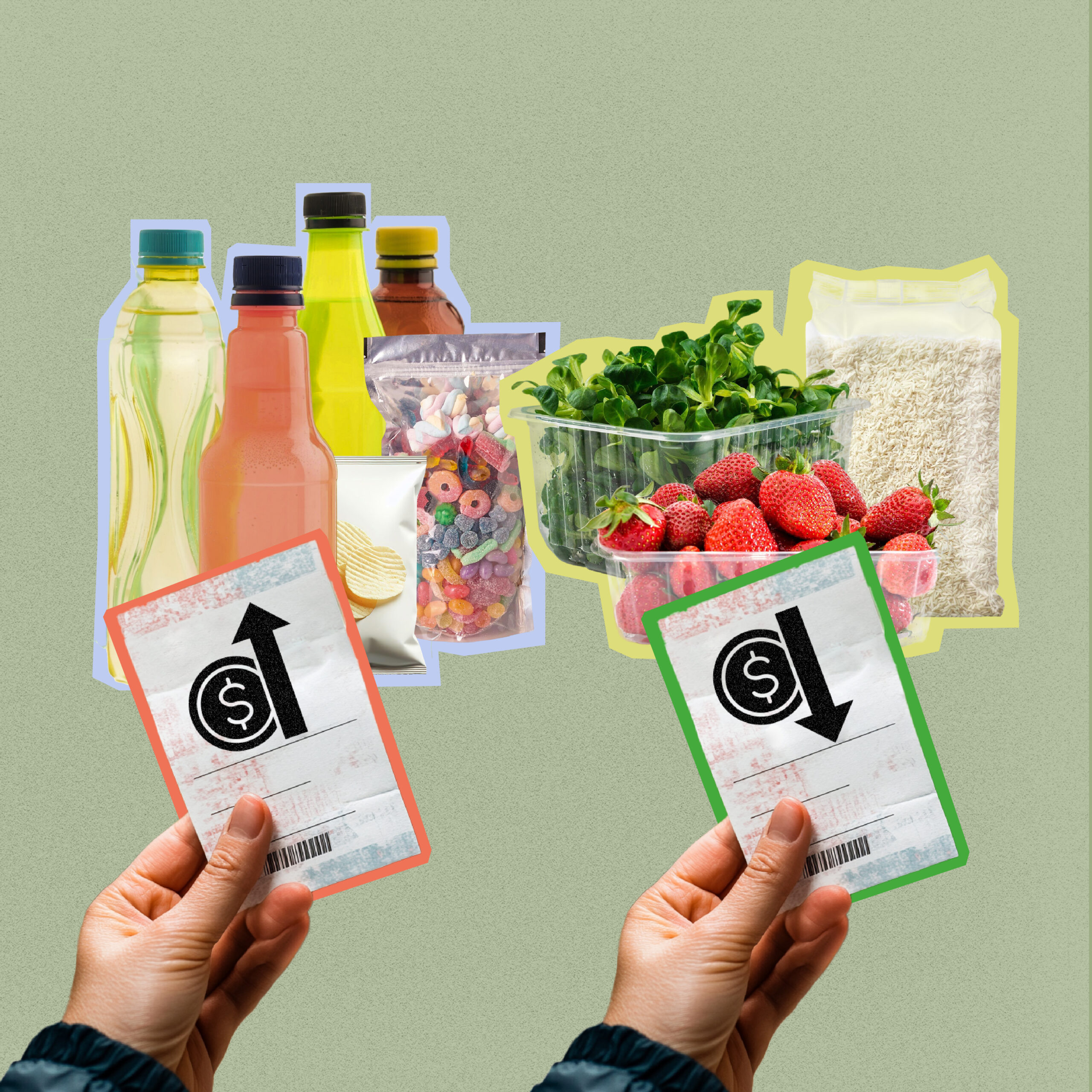
Image from Healthy Living Alliance's (HEALA) in South Africa.
What are food environments?
Food environments are the contexts in which people make decisions about buying, preparing and eating food. For example, the grocery store or food stall is part of the food environment, as are food and beverage advertisements on television or digital platforms and brand sponsorship of sports teams.
Why have food environments become unhealthy and unsustainable?
Food systems produce enough food for everyone, but access has become deeply unequal and unsustainable.
Corporate control is reshaping what people eat. A handful of multinational companies—mostly headquartered in high-income countries—now largely control what foods are produced, supplied and consumed globally. These corporations have the financial power to infiltrate local markets, shifting agricultural patterns and diets. Traditional crops are being replaced with those used for unhealthy, low-nutrient products (see Box 1: What are ultra-processed products?), constraining what farmers can grow and how communities use their land.
This pushes consumers toward harmful choices. Cheap, convenient, appealingly marketed products high in salt, sugar and saturated fat that are often ultra-processed—but lacking essential nutrients—are now everywhere. The mass production of these products also harms the environment, making food systems less sustainable and less resilient to climate change.
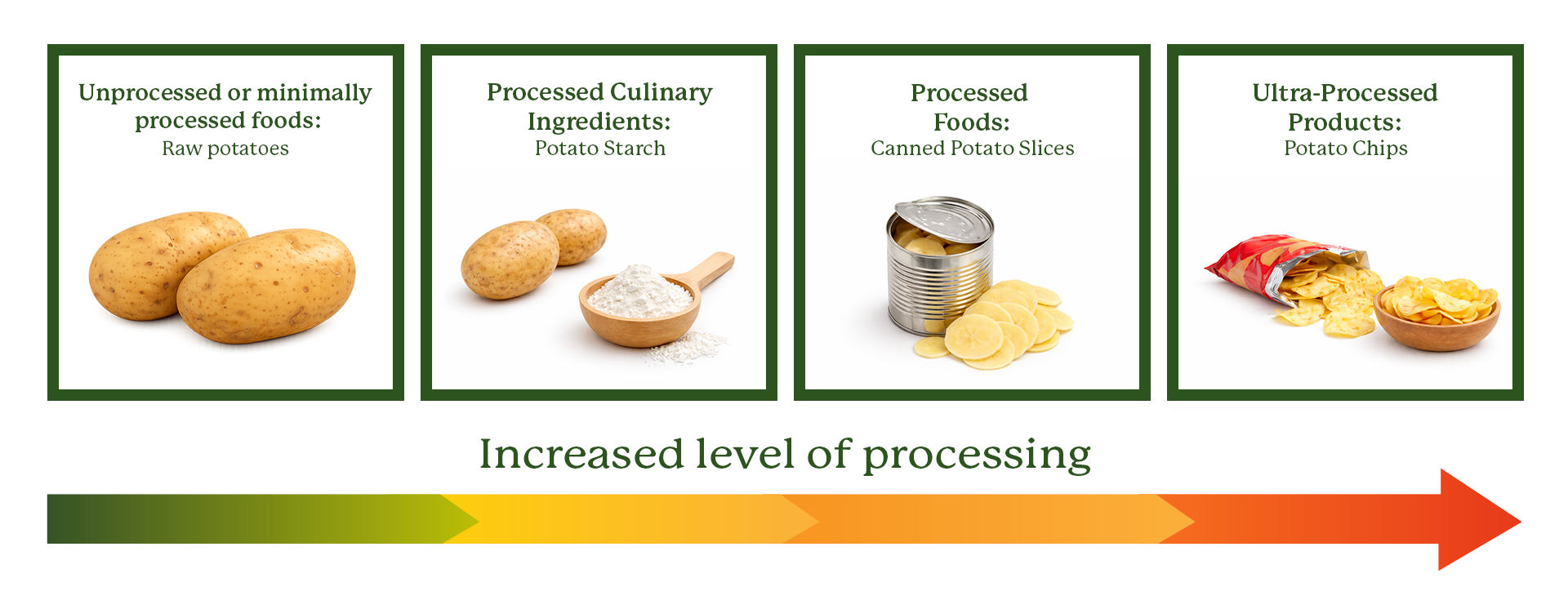
What are ultra-processed products?
Unlike foods simply modified by cooking or added ingredients, ultra-processed products are industrially manufactured using cheap, heavily refined ingredients and additives to heighten appeal and extend shelf life. Heavily branded and aggressively marketed, they tend to be high in calories, sugars, refined starches, saturated and trans fats and sodium. Growing evidence also points to the addictive qualities of certain ultra-processed products, as manufacturers intentionally engineer these products to maximize consumption. Common examples include packaged chips, cookies, instant noodles, ready-to-eat meals, candy and soft drinks.
Why does it matter?
Food fuels the body, but billions lack access to nutritious options. This leads to hunger, malnutrition and diet-related chronic diseases that diminish well-being, health and productivity. Access to a healthy diet remains deeply unequal within and across countries.
The problem is worsening. The shift toward ultra-processed products—combined with economic inequality, the climate crisis and conflict—has made healthy diets increasingly unaffordable and out of reach. As a result, malnutrition, hunger and food insecurity continue to rise in many places around the world.
The world faces a “triple burden of malnutrition.” Undernutrition, overnutrition and micronutrient deficiencies are occurring simultaneously. While progress has been made in reducing undernutrition, obesity rates have soared. Obesity has now surpassed underweight as the most common form of malnutrition among school-aged children and adolescents worldwide.
The health toll is staggering. These dietary shifts have driven alarmingly high rates of cardiovascular disease, Type 2 diabetes and some cancers. Poor diet is linked to 11 million premature deaths each year—making it a leading risk factor for noncommunicable diseases.
The environment is also paying the price. The production and consumption of unhealthy packaged products degrades the environment through greenhouse gas emissions, plastic waste, pollution, excessive water and land use, and loss of agricultural biodiversity.
Evidence
High consumption of ultra-processed products is linked to diet-related chronic diseases, including a 12% higher risk of Type 2 diabetes and a 50% higher risk of cardiovascular disease-related death.
Source
Lane, et al. Ultra-processed food exposure and adverse health outcomes: umbrella review of epidemiological meta-analyses. BMJ. Gregory A. Ultra-processed food linked to 32 harmful effects to health, review finds. The Guardian.
Ultra-processed products make up more than 50% of calories in the U.S. and U.K. and 20-50% in other high- and middle-income countries.
Source
Global Food Research Program University of North Carolina at Chapel Hill. Ultra-processed foods A global threat to public health.
10 companies control 80% of store-bought ultra-processed products globally.
Source
UNICEF and Global Health Advocacy Incubator. Webinar: Addressing food and beverage industry interference in policy-making. Gillespie S. Dracula, blood banks…and getting serious about malnutrition. KOYA blog.
Three crops—wheat, rice, and maize—that are heavily used to make ultra-processed products now dominate global caloric intake, driving declining agrobiodiversity.
Source
Global Food Research Program University of North Carolina at Chapel Hill. Ultra-processed foods A global threat to public health. Thrupp LA. Linking agricultural biodiversity and food security: the valuable role of agrobiodiversity for sustainable agriculture. International Affairs.
The current food production system costs nearly $12 trillion annually in health, social and environmental damage—almost 10% of global GDP. Diet-related chronic diseases alone account for 70% of these costs.
Source
Food and Agriculture Organization of the United Nations. The State of Food and Agriculture 2024.
2.6 billion people globally cannot afford a healthy diet, leading to hunger and obesity.
Source
Food and Agriculture Organization of the United Nations. The State of Food Security and Nutrition in the World 2025.
What are the solutions?
Learn about solutions for healthier food environments.