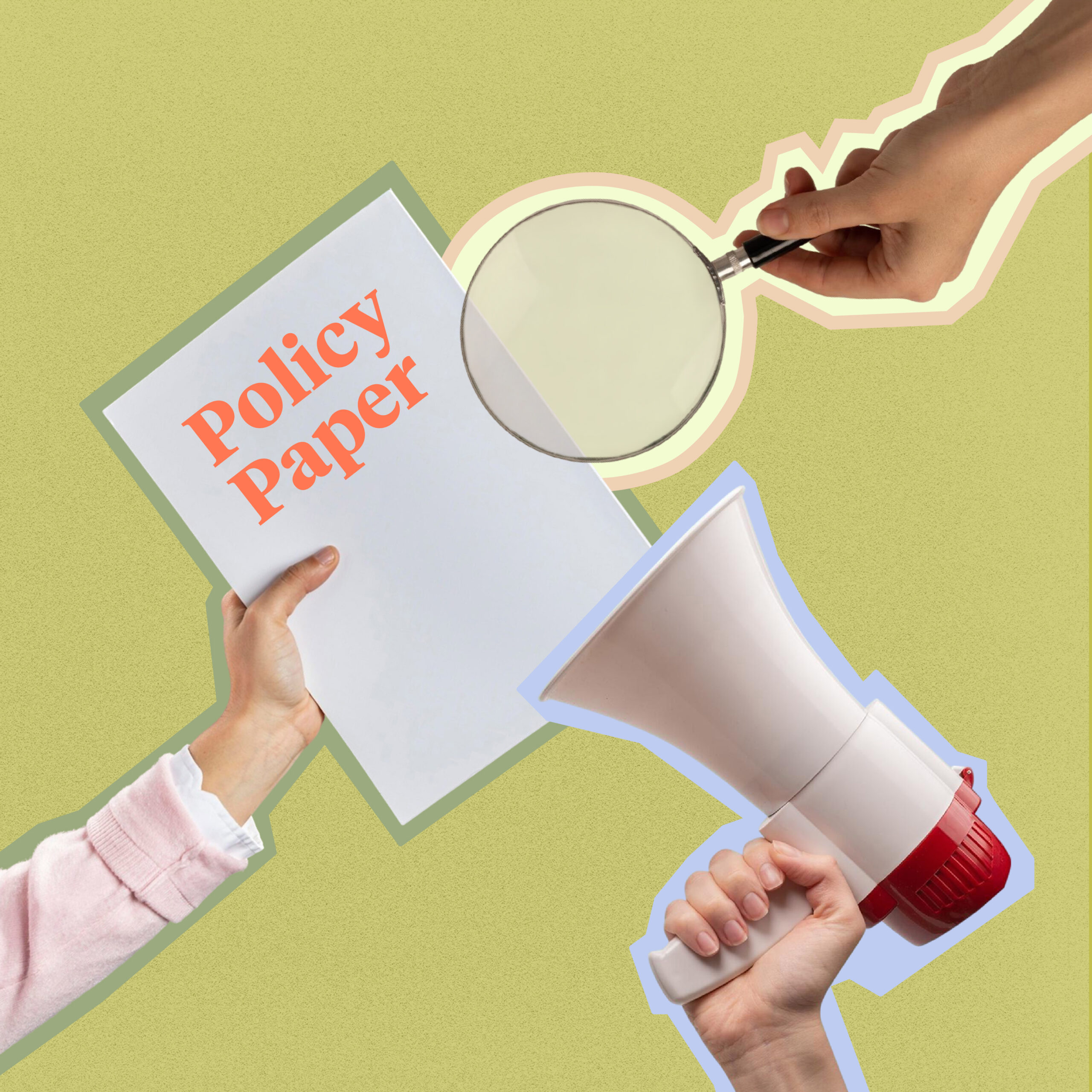
What is Food and Beverage Industry Interference?
Public health policymaking should prioritize people’s health over industry profit. Yet, the food and beverage industry spends billions to block regulation of its harmful products and stall policies that promote healthier eating.
Common industry tactics include shifting blame, funding favorable research and direct lobbying. The industry creates narratives that redirect responsibility for diet-related chronic diseases away from its products, funds research and campaigns to support these claims, contributes to political campaigns and engages strategically in international and regional food policy forums.
Strategies to monitor these tactics, call attention to unethical or illegal behavior, and demand transparency can help mitigate food and beverage industry interference. Key strategies include tracking and publicly reporting industry practices; building coalitions and media campaigns to expose policy interference; and protecting food policies through legal action when needed.
Best Practice Recommendations - How governments can address industry interference:
Establishing evidence-based regulations
- Prioritize public health and the rights of people, including children, over those of private interests.
- Draft comprehensive, mandatory, evidence-based regulations grounded in human rights, developed with government agencies, academics and civil society organizations free from conflicts of interest.
Managing conflicts of interest and increasing transparency
- Where possible, exclude actors with conflicting interests, including industry, from decision-making settings such as expert panels and policy drafting. Where this is not possible—for example, where participation is legally required—establish clear conflict-of-interest guidelines that ensure public health remains paramount.
- Disclose all government interactions with the industry and its actors and adopt measures to prevent undue influence (e.g., lobbying registries, disclosure requirements).
- Open regulatory processes to public scrutiny and prohibit closed-door meetings.
- Give public interest civil society organizations free from conflicts of interest a formal role in decision-making, with real influence over outcomes, in all stages of the process.
Monitoring implementation
- Establish a robust policy monitoring and enforcement system led by a government agency, with civil society support and no involvement from the industry or its actors in oversight.
- Monitor and counter industry interference tactics during policy implementation (e.g., lobbying against policy, legal challenges).
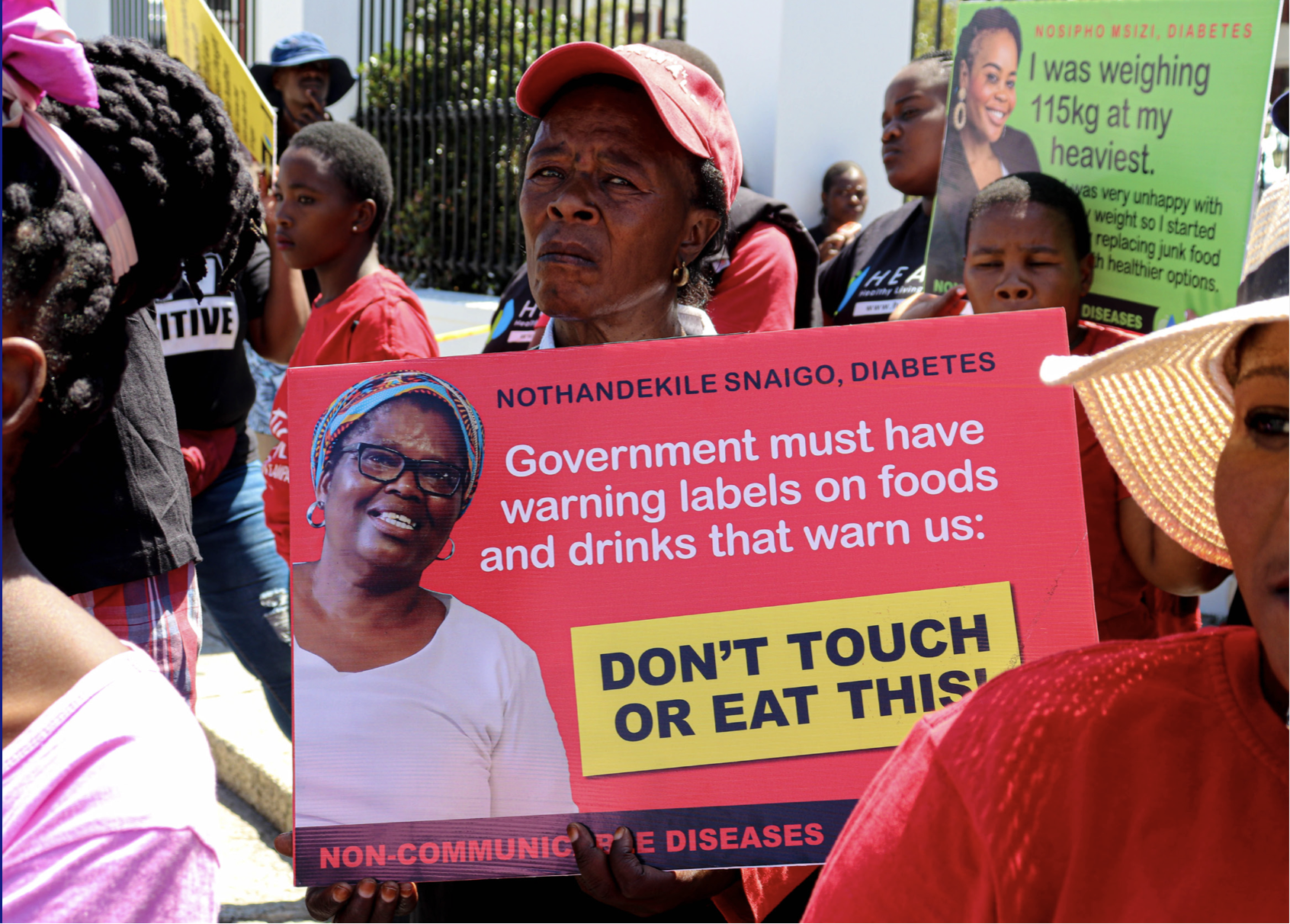
Source: HEALA. Learn more at https://heala.org/
Other Solutions
Learn more about other solutions for healthier food environments and how they can be combined in comprehensive policies.