What is Front-of-Package Labeling?
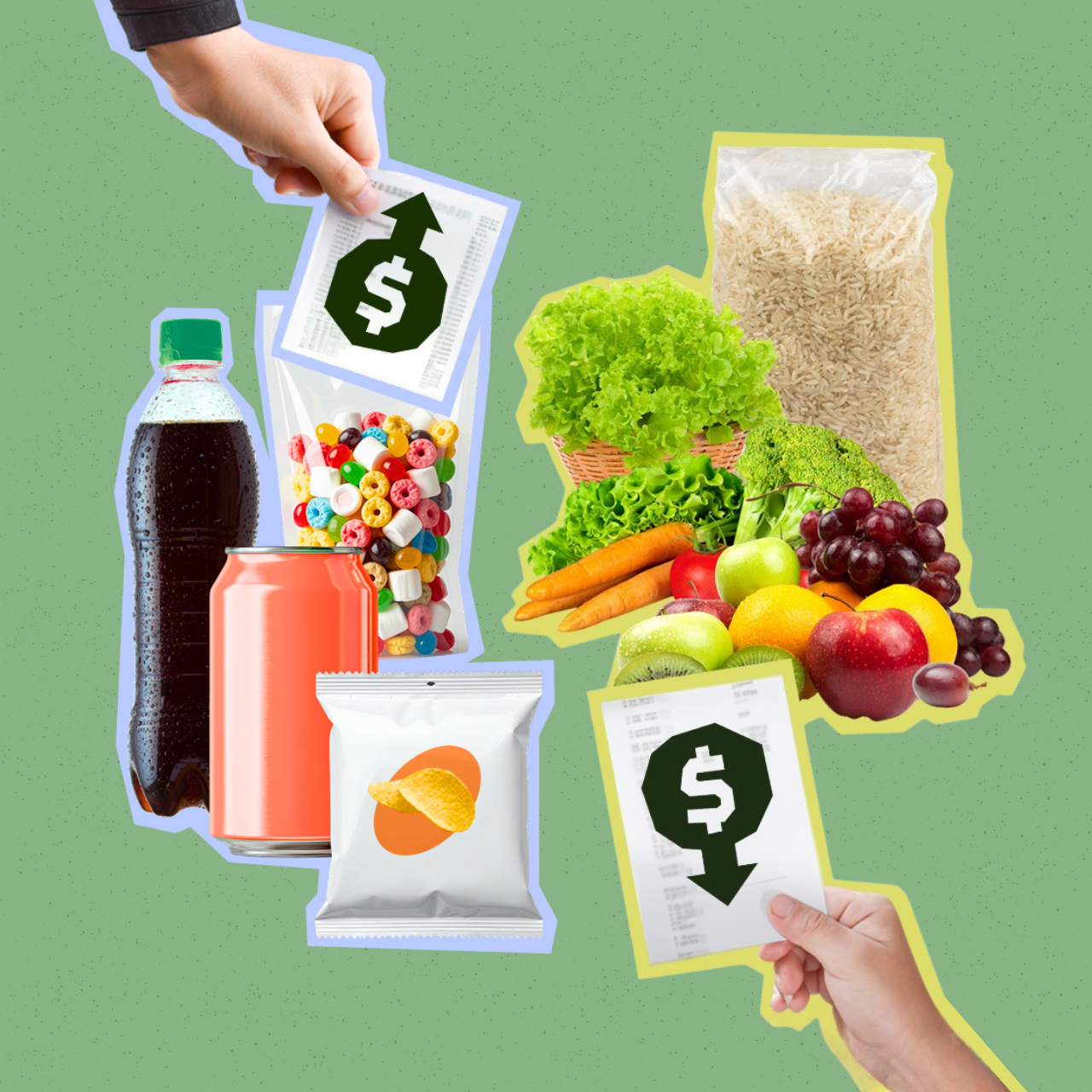
Heavily marketed ultra-processed products are increasingly dominating food environments, making it harder for consumers to maintain a healthy diet.
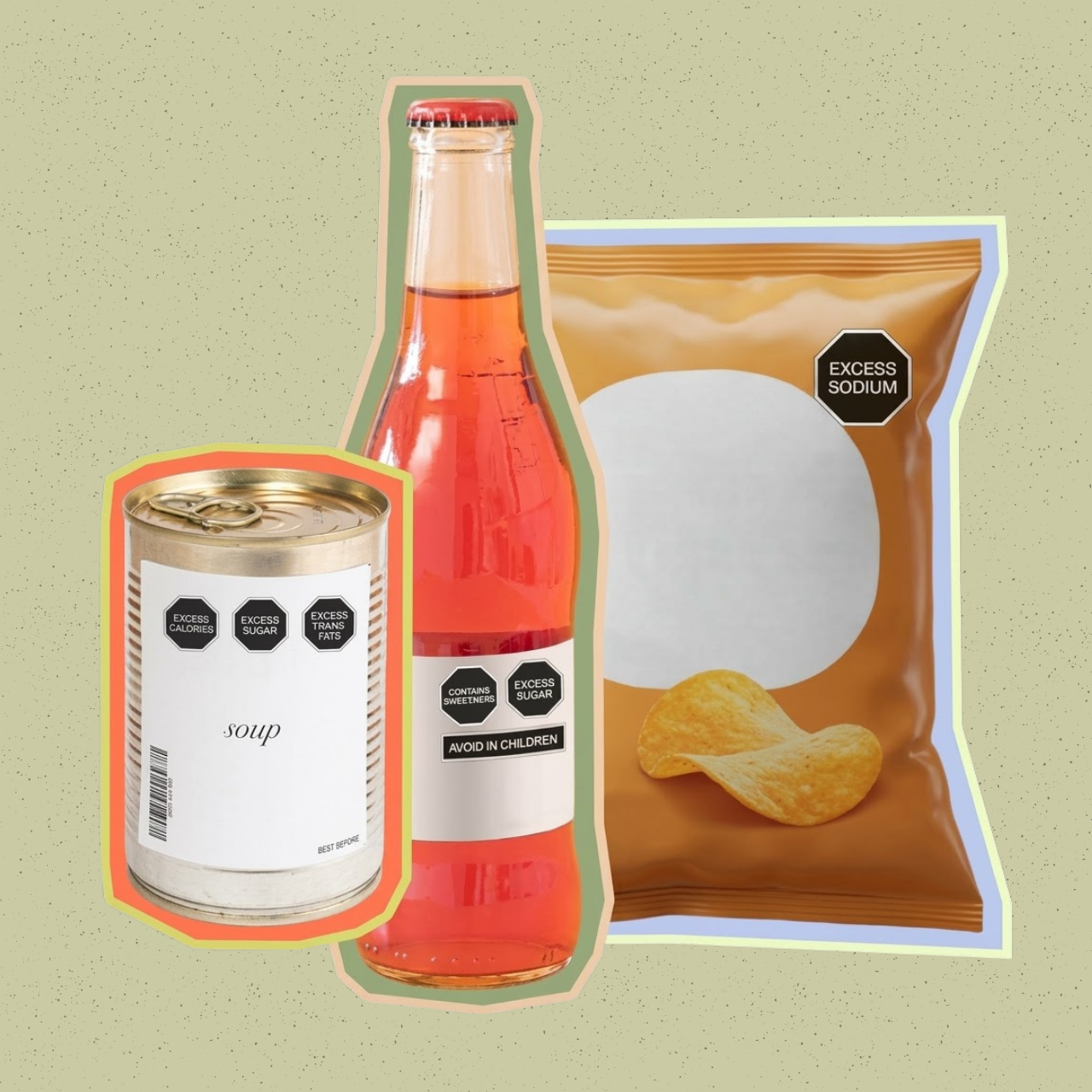
Front-of-package labeling helps consumers make healthier choices by providing simple, at-a-glance nutrition information that enables quicker, informed decisions and steers them away from unhealthy products. These labels also counter misleading health claims on packaging, such as “natural” or “fat free.”
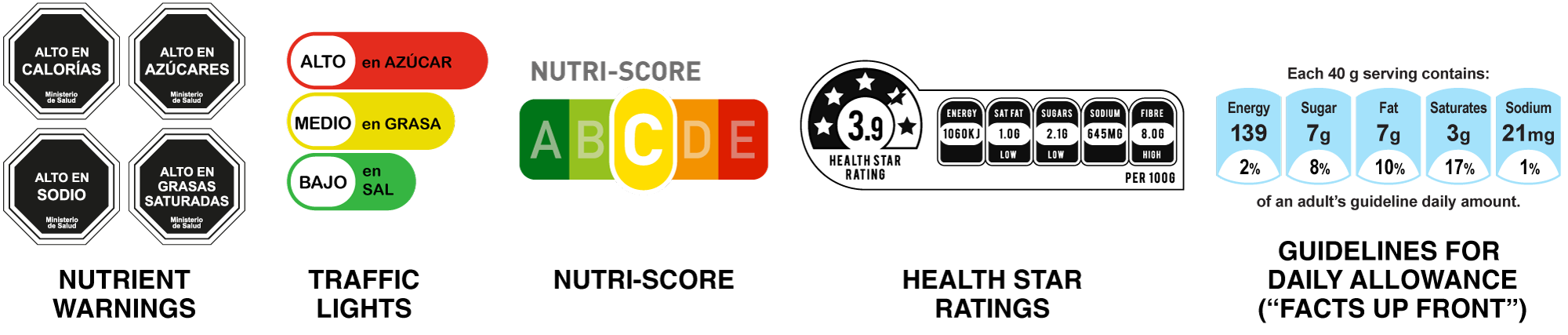
Examples of front-of-package labels. Source: Global Food Research Program at UNC-Chapel Hill. Front-of-Package (FOP) Food Labeling: Empowering consumers and promoting healthy diets.
Among the many types of front-of-package labels in use, mandatory warning labels are most effective in reducing purchases of unhealthy products by clearly identifying nutrients of concern, such as excess sugar, salt or saturated fat. Innovative labels have also begun highlighting health-harming additives like nonsugar sweeteners.
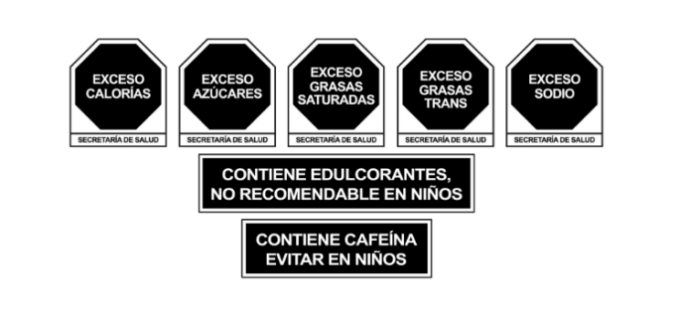
Warning labels in Mexico. Translation: excess calories, excess sugars, excess saturated fats, excess trans-fats, excess sodium. Contains sweeteners—not recommended for children. Contains caffeine—avoid in children. Source: Norma Oficial Mexicana NOM-051-SCFI/SSA1-2010
Best Practice Recommendations
Effective front-of-package labels:Diet-Related Noncommunicable Diseases. 2025.'>
- Are mandatory
- Are developed free from conflict of interest
- Are based on a strong public health policy objective, such as enabling consumers to correctly and easily identify unhealthy products high in nutrients of public health concern to discourage their consumption
- Use a government-mandated nutrient profile model to determine which products receive a label
- Use a warning label design for products with excess nutrients and ingredients of concern (sugars, sodium, saturated and trans fat and nonsugar sweeteners)
- Are easily visible on the front of the product package with consistent appearance and placement (font, colors, relative scale, positioning)
- Include government endorsement within the warning label
- Prohibit health, nutrition and other claims on products with one or more warning labels
- Are combined with complementary policies for healthier food environments, such as marketing restrictions on products with warning labels
- Include monitoring and enforcement mechanisms to help ensure compliance, evaluate impact and enable improvements
- Ensure packages also include mandatory nutrition information and ingredients lists on the back
Other Solutions
Learn more about other solutions for healthier food environments and how they can be combined into comprehensive policies.